Lawn Growth Regulation in Omaha

Spend less time mowing

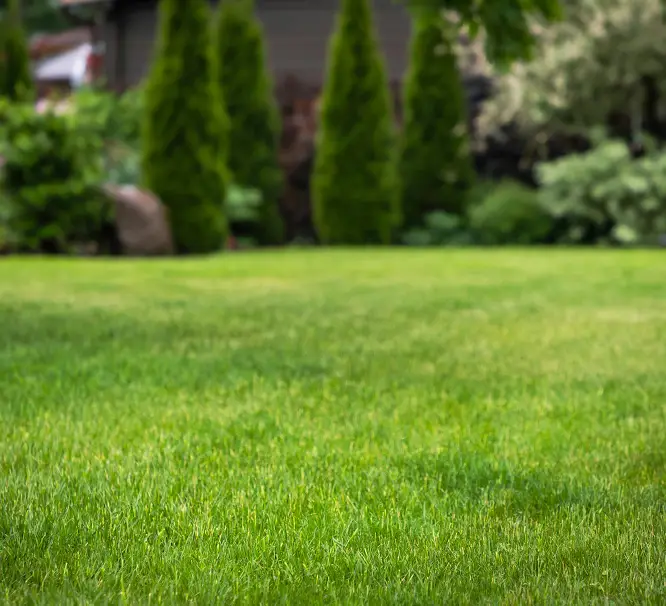
Your lawn stays neat, healthy, and evenly maintained with fewer interruptions to your schedule. Lawn growth regulation helps slow vertical growth while supporting turf strength and appearance.

A smarter approach to lawn maintenance

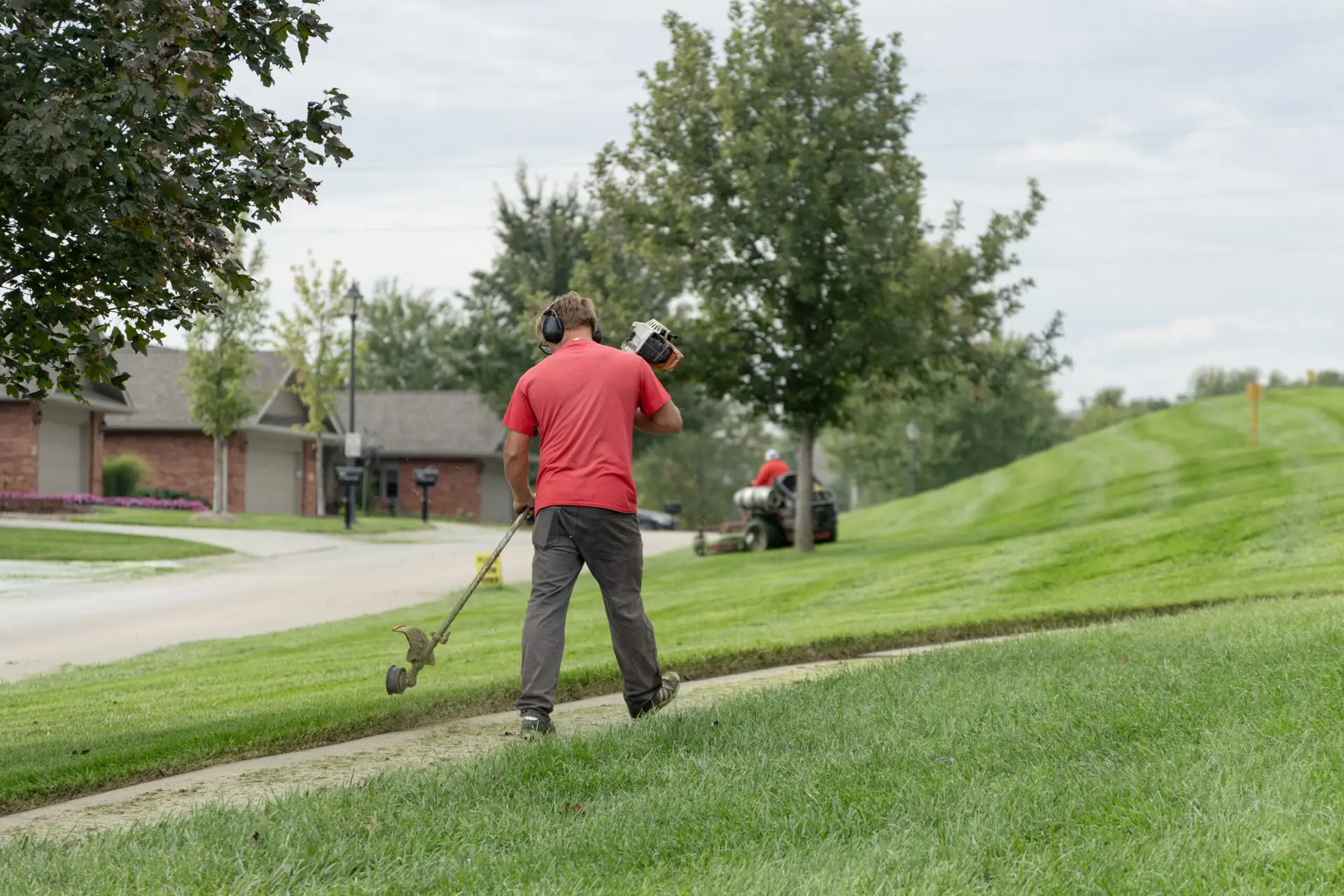
Rapid grass growth often means frequent mowing and excess clippings. Lawn growth regulator treatments support dependable lawn care service by moderating growth patterns — allowing your lawn to maintain its appearance longer between mowings without sacrificing health.

What you get

How it works

Lawn evaluation

Your lawn is reviewed to confirm timing and suitability for growth regulation.

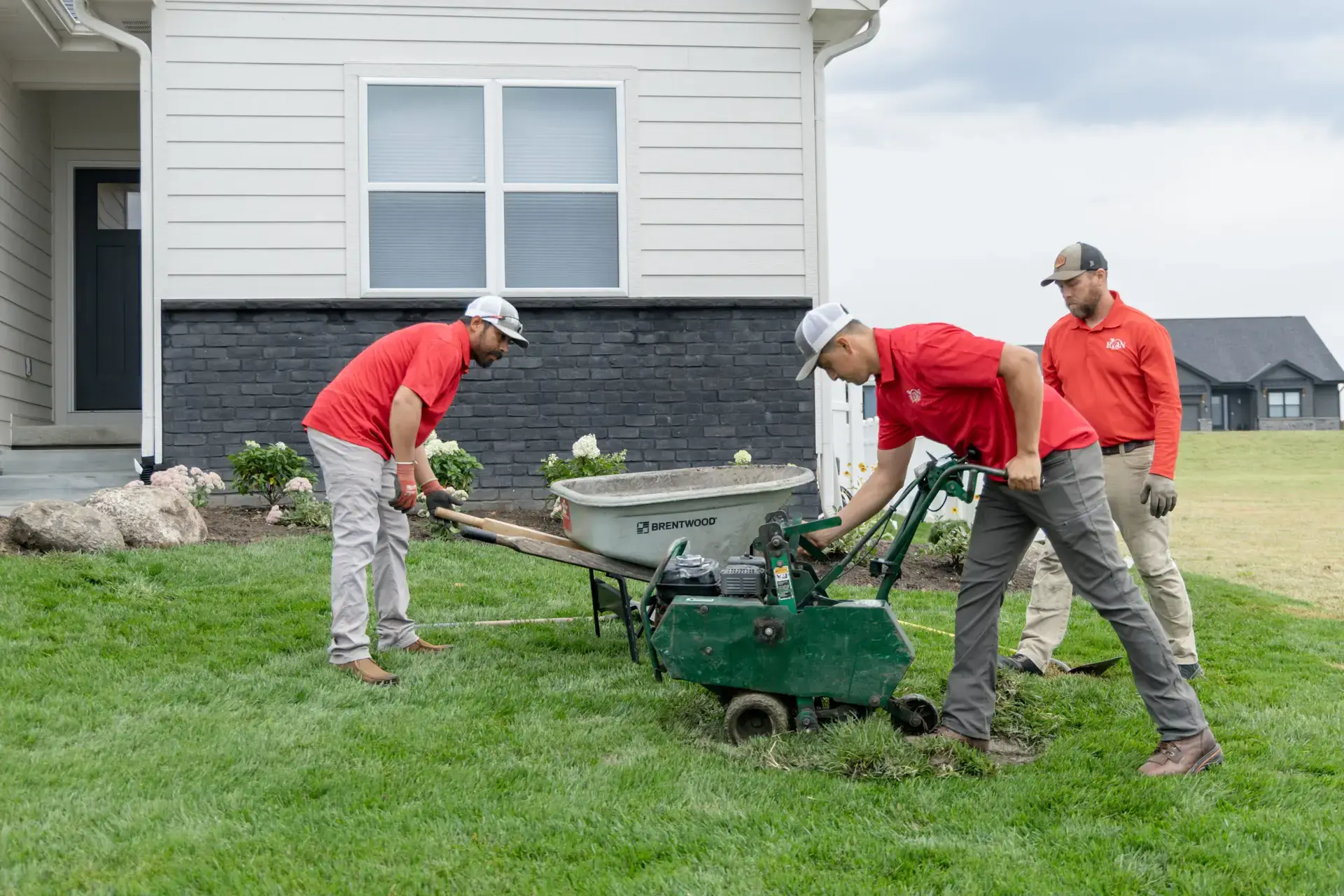
The growth regulator is applied evenly across the lawn to slow vertical growth.

Energy is redirected toward root development and lateral growth rather than rapid height.

Applications are scheduled to align with seasonal growth cycles common in Omaha.

How it works

Lawn Inspection and Consultation

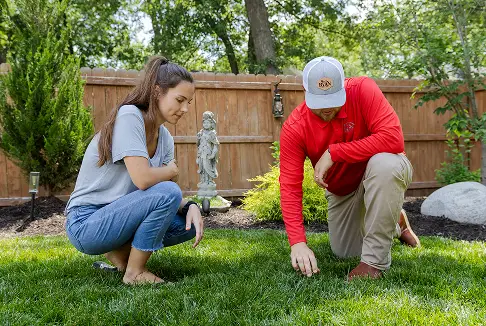
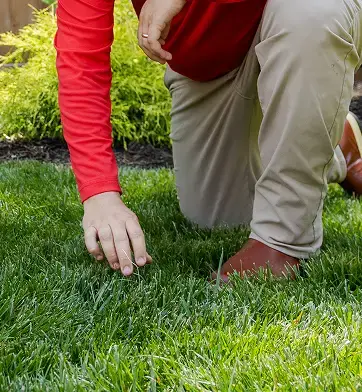
Your dedicated RYAN Pro begins with a thorough inspection of your lawn, evaluating turf type, soil condition, and local climate to understand what your yard needs to thrive. (This could be a good place to add details about soil testing or evaluation methods.)

Dedicated lawn managers

Care that supports lawn health, not shortcuts

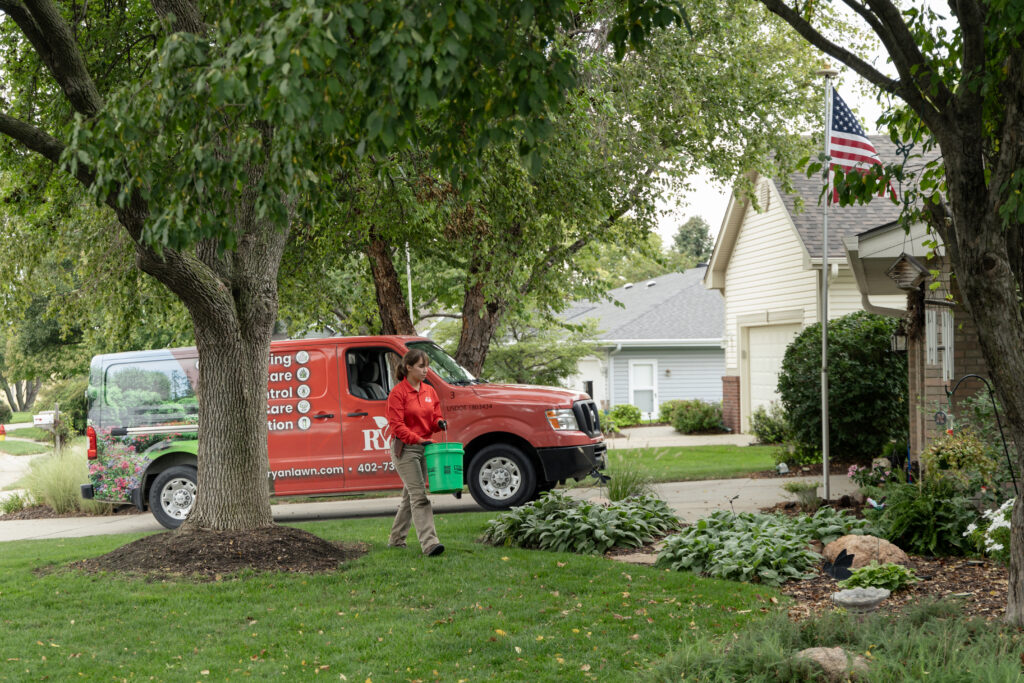
Your lawn is treated by professionals who understand Omaha’s growing conditions and how growth regulation fits into a broader lawn care and maintenance plan. This relationship-driven approach ensures your lawn stays strong, balanced, and visually consistent.

Five-star lawn care

Our lawn care customers say it best.

Ready to reduce mowing without compromising your lawn?

Enjoy a well-maintained lawn with fewer mowings using a professional lawn growth regulator designed for Omaha properties.

Lawn Growth Regulator FAQs

Growth regulation slows down your grass’s growth, so you don’t have to mow as often, and your lawn gets hardier. Our growth regulator is also environmentally safe.

No. It reduces growth rate, which means less frequent mowing — not zero mowing.

No. When applied correctly, it supports turf health and density.

Applications are typically made during periods of active growth.