
Annual Flower Planting in Omaha

Beds that look as good in August as they did in May

The right flowers, timed to Omaha's seasons, keep your beds full of color long after the neighbors' petunias have given up.

Color where it counts — entries, beds, and the spots people see first

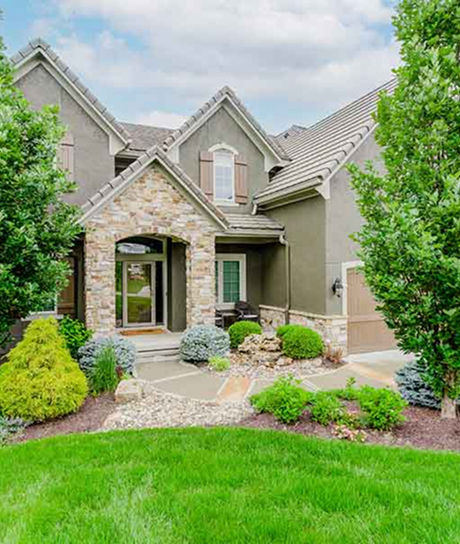
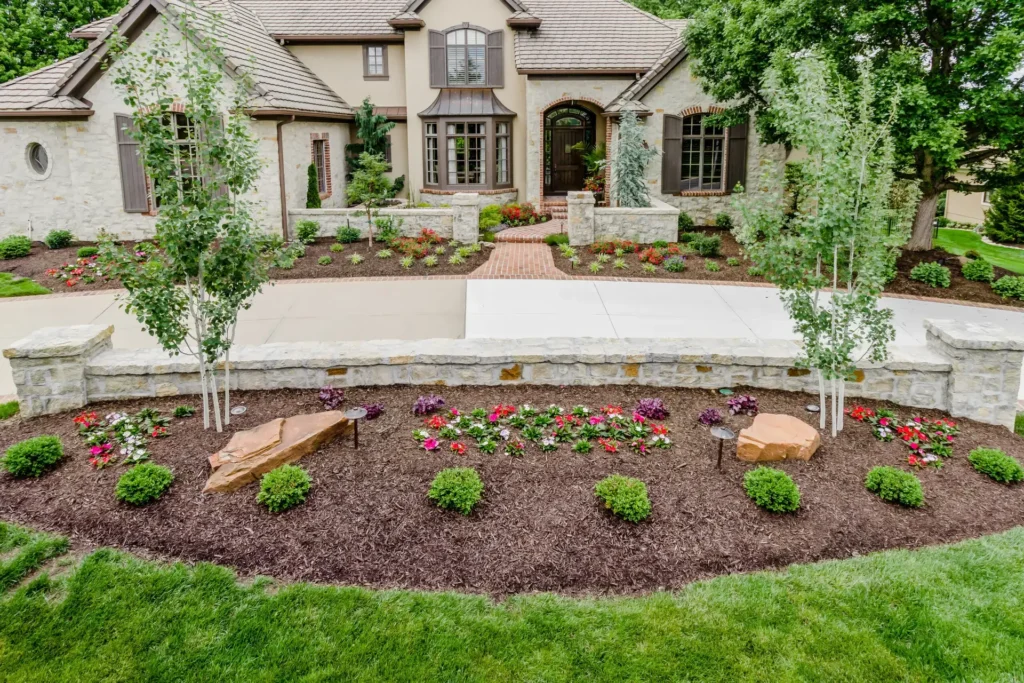
Annual flowers do more visual work per square foot than almost anything else in the landscape. They polish the front entry and brighten the main beds, giving the property a current, cared-for look through the parts of the year when people notice it most. With the right timing and the right plant choices, that color stays lively well past your first spring planting.

In Omaha, variety selection and timing both need to account for the city’s wide temperature range. Summer heat climbs past 95 degrees regularly, and many popular annuals lose their visual impact well before the season ends. Professionally chosen varieties that hold up through Nebraska’s summer perform noticeably better than generic nursery selections.

Benefits That Show

How it works

Site Evaluation

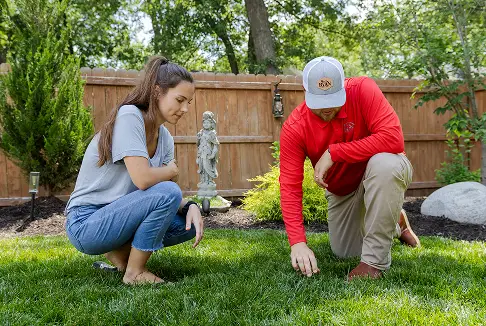
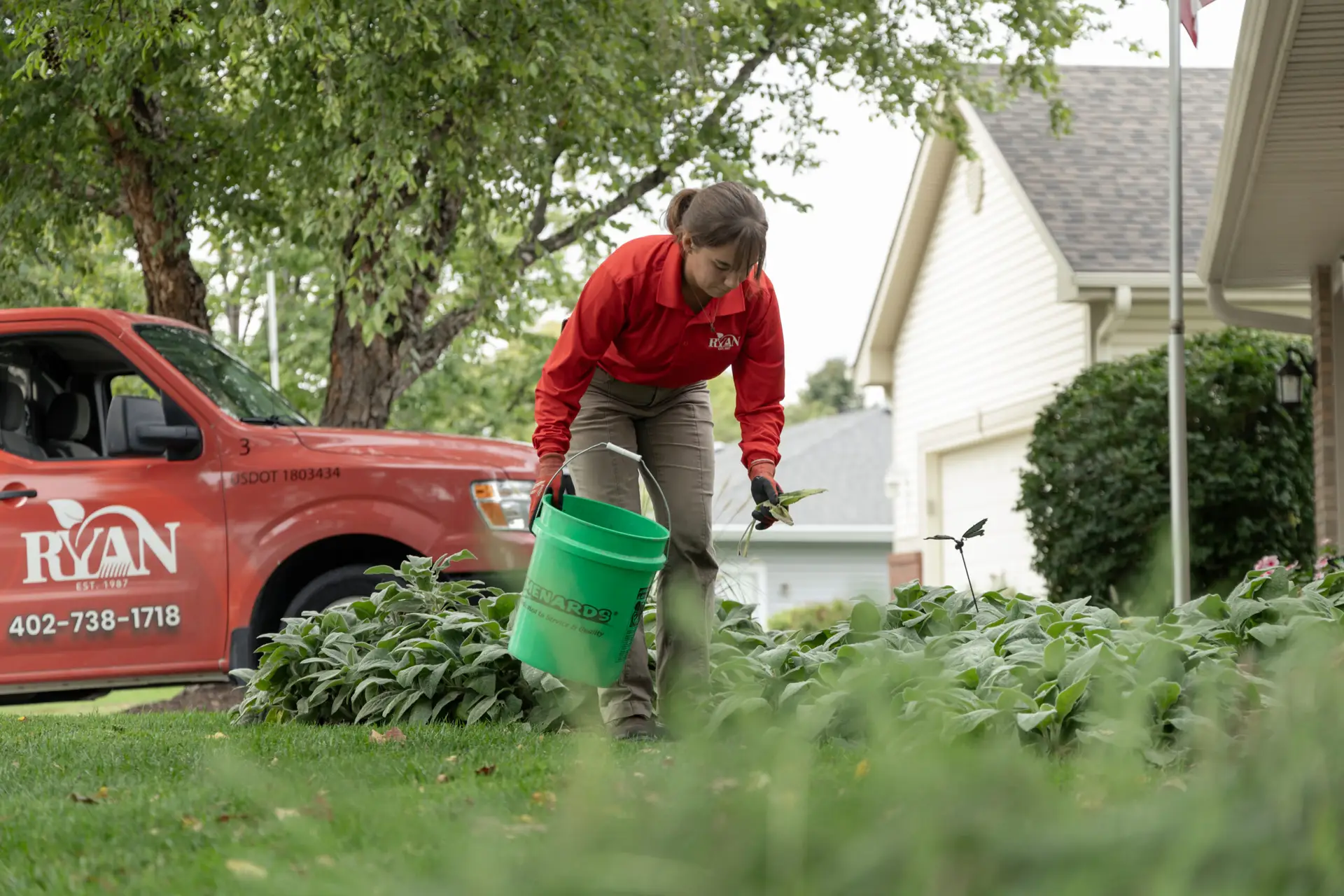
Your crew evaluates each planting area for sun and soil conditions, along with visibility from the street. Every recommendation is specific to your property.

Flowers are selected based on your yard’s conditions and the season ahead. Performance through Omaha’s summer heat and wind is prioritized alongside beauty.

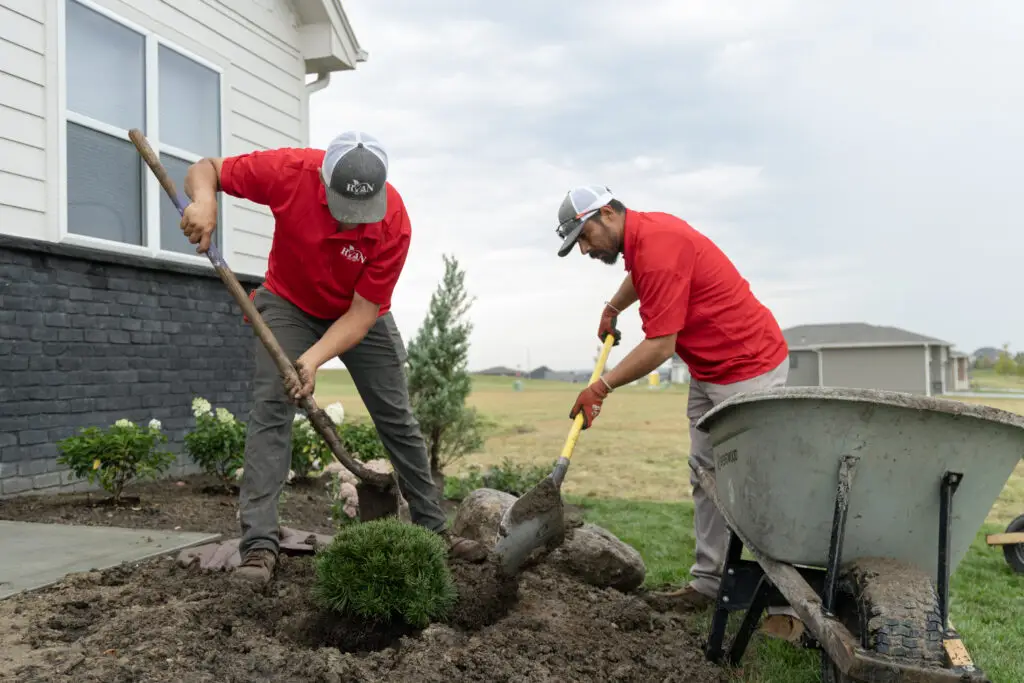
Annuals are installed with proper depth and spacing after thorough soil preparation. Good technique establishes strong roots and extends bloom duration, so your plants will wow from day one.

As one planting window winds down, the next one is queued up so your most visible areas don’t sit half-faded. The transitions feel intentional because the color program is managed as an ongoing sequence.

How it works

Lawn Inspection and Consultation

Your dedicated RYAN Pro begins with a thorough inspection of your lawn, evaluating turf type, soil condition, and local climate to understand what your yard needs to thrive. (This could be a good place to add details about soil testing or evaluation methods.)

Dedicated landscaping pros

Why professional variety selection delivers better results in Omaha

Omaha’s climate is notorious for showing you which annual flowers have real staying power. The difference is rarely visible at planting because most varieties look good going in. It shows up in July and August, when sustained heat and occasional dry stretches separate strong performers from varieties bred for cooler, shorter seasons.

Professional variety selection starts with your property’s actual conditions. South-facing beds need flowers that can take the heat. Wind-exposed zones require varieties with sturdy stems and compact growth habits. That level of care and attention is what keeps your yard looking strong well past midsummer.

Five-star landscape maintenance

Our landscaping customers say it best.

Want to stop wondering why the beds look tired by midsummer?

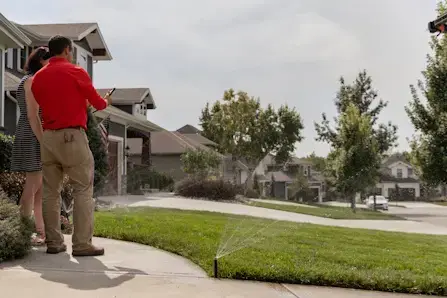
Your front entry tells people a lot about the property before they ever reach the door. A flower planting consultation maps out where seasonal color will matter most, which varieties can carry that color through Omaha’s heat, and how to keep the display fresh as the year moves along.

Annual Flower Planting FAQs

Two or three rotations usually make sense, depending on how much seasonal change you want to see. Many homeowners stick with just spring and summer, while others add an additional fall planting and winter containers at the front entry.

Heat-tolerant choices such as lantana, angelonia, zinnias, pentas, and sun coleus often hold up well through Omaha summer conditions. Final selections depend on how much sun each bed gets, how exposed it is, and the look you want from that area.

Absolutely. Annuals fill the seasonal color gaps between perennial bloom cycles. The combination creates beds that stay colorful and complete through the full growing season.

Most new plantings start to fill out within a couple of weeks, then continue gaining presence as roots settle in. Proper spacing matters because crowded beds can look full fast but lose definition later in the season.

After the last frost risk, typically late April to early May. Starting too early can expose plants to a late freeze, so your crew times the installation based on current conditions.